
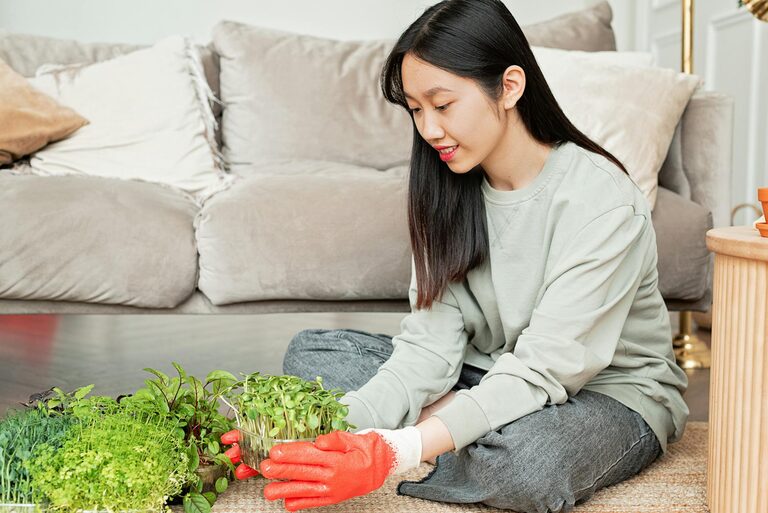
Bringing houseplants into your home can add a touch of nature, improve air quality, and create a calming atmosphere. However, keeping plants healthy and thriving can sometimes be a challenge, especially for beginners. Understanding the basics of plant care and paying attention to their needs will help you enjoy lush, green plants for years to come. In this post, we’ll explore practical tips you can follow to keep your houseplants happy and healthy.
Understanding Your Houseplants’ Needs
Each houseplant species has its own preferred environment. Knowing what kind of light, water, and soil your plants require is the first step toward successful plant care.
Light Requirements
– Bright light: Plants like succulents, fiddle leaf figs, and African violets thrive in bright, indirect light.
– Low light: Some plants, such as snake plants and pothos, tolerate low light conditions, but they still need some natural light.
– Direct sunlight: Cacti and certain succulents prefer direct sunlight for a few hours daily.
Place your plants accordingly, near windows or in well-lit rooms. If natural light is insufficient, consider using grow lights.
Watering Tips
Overwatering and underwatering are the most common causes of plant stress. To water properly:
– Check the soil moisture before watering by sticking your finger about an inch into the soil—if it feels dry, it’s time to water.
– Water thoroughly but allow excess water to drain out. Avoid letting your plant sit in standing water, which can cause root rot.
– Adjust watering frequency based on the plant type, pot size, and season. Most houseplants need less water during cooler months.
Choosing the Right Soil and Pots
Healthy soil supports roots and provides nutrients. Use high-quality potting mix suitable for your specific plant type (e.g., cactus mix for succulents). Avoid garden soil, which can be too dense and may contain pests.
Pots should have drainage holes to prevent water accumulation. If your decorative pot lacks drainage, consider placing your plant’s pot inside it to keep roots safe.
Feeding Your Plants
Houseplants require nutrients to grow well. Use a balanced, water-soluble fertilizer during the growing season (spring and summer), following label instructions carefully. Reduce or pause feeding during dormant periods (fall and winter) when plants rest.
Maintaining Proper Humidity and Temperature
Most houseplants thrive in moderate humidity (40–60%) and comfortable indoor temperatures (65–75°F or 18–24°C).
– Increase humidity with a humidifier, pebble trays filled with water, or by grouping plants together.
– Avoid placing plants near drafts, heaters, or air conditioners, which can cause temperature fluctuations and dry air.
Pruning and Cleaning
Regular pruning encourages healthy growth and helps prevent diseases.
– Remove dead or yellowing leaves promptly.
– Trim leggy growth to maintain shape.
– Clean leaves occasionally to remove dust by gently wiping with a damp cloth or giving the plant a gentle shower.
Watch for Pests and Diseases
Keep an eye out for pests such as spider mites, aphids, and mealybugs. Early detection makes treatment easier.
– Inspect plants regularly, especially on the undersides of leaves.
– Treat infestations with insecticidal soap or natural remedies like neem oil.
– Quarantine new plants before introducing them to your collection to prevent pest spread.
Repotting Your Plants
Repot plants when they outgrow their containers or soil quality declines.
– Signs that repotting is needed include roots growing through drainage holes, slow growth, or soil drying out very quickly.
– Choose a slightly larger pot and use fresh potting mix.
– Repotting is best done in spring when plants enter their growth phase.
Additional Tips for Thriving Houseplants
– Rotate plants periodically to ensure even light exposure.
– Avoid sudden changes in environment; keep conditions stable.
– Get to know your plants—each one will “tell” you when it needs attention.
Conclusion
Taking care of houseplants is both rewarding and enjoyable. With attention to their light, water, soil, and overall environment, your indoor garden will flourish. By following these tips, you’ll create a nurturing space where your plants can thrive and bring natural beauty into your home.
Happy planting!